 Login / Register


 United States ($) USD
 Austria (€) EUR
 Belgium (€) EUR
 Denmark (DKK) DKK
 Finland (€) EUR
 France (€) EUR
 Germany (€) EUR
 Ireland (€) EUR
 Japan (¥) JPY
 Luxembourg (€) EUR
 Netherlands (€) EUR
 Norway (NOK) NOK
 Sweden (SEK) SEK
 Switzerland (CHF) CHF
 United Kingdom (£) GBP

- Clone
- TC11-18H10.1 (See other available formats)
- Regulatory Status
- RUO
- Other Names
- Interleukin-17, Cytotoxic T lymphocyte-associated antigen 8 (CTLA-8)
- Isotype
- Rat IgG1, κ
- Ave. Rating
- Submit a Review
- Product Citations
- publications
-

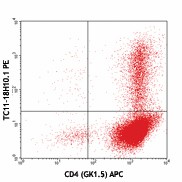
PMA/ionomycin-stimulated (5 hours) Th17 polarized C57BL/6 mouse CD4+ T cells surface stained with CD4 (GK1.5) APC, then intracellularly stained with TC11-18H10.1 PE -

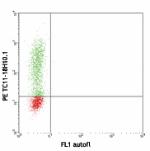
PMA (20 ng/ml) + ionomycin (1 µg/ml) -stimulated (6 hours + monensin, 2 µM) mouse thymoma cell line EL-4 intracellularly stained with TC11-18H10.1 PE
| Cat # | Size | Price | Quantity Check Availability | Save | ||
|---|---|---|---|---|---|---|
| 506903 | 25 µg | 88€ | ||||
| 506904 | 100 µg | 224€ | ||||
IL-17, also known as CTLA-8, is a T cell-expressed pleiotropic cytokine that exhibits a high degree of homology to a protein encoded by the ORF13 gene of herpes virus Saimiri. IL-17 is produced by Th cells (Th17) that are distinct from the traditional Th1- and Th2-cell subsets. IL-23 plays an important role in triggering IL-17 production. Both recombinant and natural IL-17 have been shown to exist as disulfide linked homodimers. IL-17 exhibits multiple biological activities on a variety of cells including: the induction of IL-6 and IL-8 production in fibroblasts, activation of NF-κB, and costimulation of T cell proliferation. IL-17 is an essential inflammatory mediator in the development of autoimmune diseases. Neutralization of IL-17 with monoclonal antibody is able to ameliorate the disease course.
Product DetailsProduct Details
- Verified Reactivity
- Mouse
- Antibody Type
- Monoclonal
- Host Species
- Rat
- Immunogen
- E. coli expressed, recombinant mouse IL-17A
- Formulation
- Phosphate-buffered solution, pH 7.2, containing 0.09% sodium azide.
- Preparation
- The antibody was purified by affinity chromatography, and conjugated with PE under optimal conditions.
- Concentration
- 0.2 mg/ml
- Storage & Handling
- The IL-17A antibody solution should be stored undiluted between 2°C and 8°C, and protected from prolonged exposure to light. Do not freeze.
- Application
-
ICFC - Quality tested
- Recommended Usage
-
Each lot of this antibody is quality control tested by intracellular immunofluorescent staining with flow cytometric analysis. For flow cytometric staining, the suggested use of this reagent is ≤0.25 µg per million cells in 100 µl volume. It is recommended that the reagent be titrated for optimal performance for each application.
- Excitation Laser
-
Blue Laser (488 nm)
Green Laser (532 nm)/Yellow-Green Laser (561 nm)
- Application Notes
-
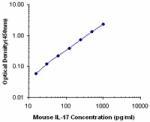
ELISA Capture3,4 and ELISPOT Capture5: The purified TC11-18H10.1 antibody is useful as the capture antibody in a sandwich ELISA, when used in conjunction with the biotinylated TC11-8H4 antibody (Cat. No. 507002) as the detecting antibody and recombinant mouse IL-17 (Cat. No. 576009) as the standard.
Flow Cytometry2-4,7,8,11,12: The TC11-18H10.1 antibody is useful for intracellular immunofluorescent staining and flow cytometric analysis to identify IL-17-producing cells within mixed cell populations.
Neutralization6,9: The LEAF™ purified antibody (Endotoxin <0.1 EU/µg, Azide-Free, 0.2 µm filtered) is recommended for neutralization of mouse IL-17 bioactivity in vivo and in vitro (Cat. No. 506906). - Application References
-
- Kennedy J, et al. 1996. J. Interferon Cytokine Res. 16:611.
- Schubert D, et al. 2004. J. Immunol. 172:4503. (ICFC)
- Infante-Duarte C, et al. 2000. J. Immunol. 165:6107. (ICFC, ELISA Capture)
- Harrington LE, et al. 2005. Nature Immunol. doi:10.1038/ni1254. (ICFC, ELISA Capture)
- Nekrasova T, et al. 2005. J. Immunol. 175:2734. (ELISPOT Capture)
- Yen D, et al. 2006. J. Clin. Invest. 116:1310. (Neut)
- Ehirchiou D, et al. 2007. J. Exp. Med. 204:1519. (ICFC)
- Kang SG, et al. 2007. J. Immunol. 179:3724. (ICFC)
- Smith E, et al. 2008. J. Immunol. 181:1357. (Neut) PubMed
- Neufert C, et al. 2007. Eur. J. Immunol. 37:1809. PubMed
- Wang C, et al. 2009. Mucosal Immunol 2:173. (ICFC) PubMed
- Cui Y, et al. 2009. Invest. Ophth. Vis. Sci. 50:5811. (ICFC) PubMed
- Kivisäkk P, et al. 2009. Ann. Neurol. 65:457. PubMed
- Cooney LA, et al. 2011. J. Immunol. 187:4440. PubMed
- Ma Y, et al. 2012. PLoS One. 7:e40763. PubMed
- Murakami R, et al. 2013. PLoS One. 8:73270. PubMed
- Product Citations
-
- RRID
-
AB_315463 (BioLegend Cat. No. 506903)
AB_315464 (BioLegend Cat. No. 506904)
Antigen Details
- Structure
- Cytokine; dimer; 15 kD (Mammalian).
- Bioactivity
- Secretion of IL-6, IL-8, G-CSF, prostaglandin E2 by epithelial, endothelial or fibroblastic cells; stimulates cell migration, cord formation, and IL-6 secretion by stromal cells
- Cell Sources
- CD4+ memory T cells
- Cell Targets
- Fibroblasts, epithelial and endothelial cells, stromal cells
- Receptors
- IL-17R (CD217)
- Biology Area
- Cell Biology, Immunology, Neuroinflammation, Neuroscience
- Molecular Family
- Cytokines/Chemokines
- Antigen References
-
1. Fitzgerald K, et al. Eds. 2001. The Cytokine FactsBook. Academic Press San Diego.
2. Numasaki M, et al. 2002. Blood 101:2620.
3. Fossiez F, et al. 1996. J. Exp. Med. 183:2593.
4. Yao Z, et al. 1997. Cytokine 9:794.
5. Dong C. 2006. Nat. Rev. Immunol. 6:329.
6. Hofstetter HH, et al. 2005 Cell. Immunol. 237:123. - Gene ID
- 16171 View all products for this Gene ID
- UniProt
- View information about IL-17A on UniProt.org
Related Pages & Pathways
Pathways


Related FAQs
- What type of PE do you use in your conjugates?
- We use R-PE in our conjugates.
- Does the anti-mouse IL-17 antibody (clone TC11-18H10.1) recognize the A or F isoform?
- Clone TC11-18H10.1 recognizes IL-17A isoform, but it also recognizes the IL-17A/F heterodimer via IL-17A binding.
Other Formats
View All IL-17A Reagents Request Custom ConjugationCustomers Also Purchased
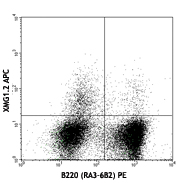
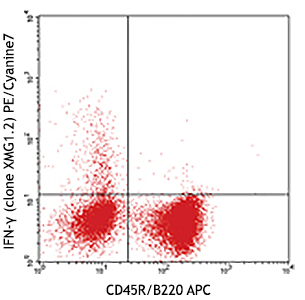
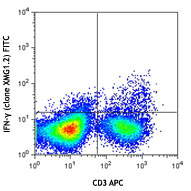

Compare Data Across All Formats
This data display is provided for general comparisons between formats.
Your actual data may vary due to variations in samples, target cells, instruments and their settings, staining conditions, and other factors.
If you need assistance with selecting the best format contact our expert technical support team.
-
PE anti-mouse IL-17A
PMA (20 ng/ml) + ionomycin (1 µg/ml) -stimulated (6 ho... 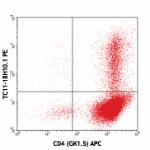
PMA/ionomycin-stimulated (5 hours) Th17 polarized C57BL/6 mo... -
Purified anti-mouse IL-17A
-
PE/Dazzle™ 594 anti-mouse IL-17A
PMA + ionomycin-stimulated (6 hours) mouse thymoma cell line... -
APC/Cyanine7 anti-mouse IL-17A
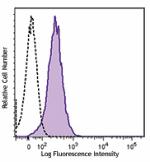
PMA + ionomycin-stimulated (six hours) mouse thymoma cell li... -
Brilliant Violet 711™ anti-mouse IL-17A
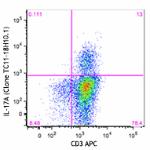
Th17-polarized mouse CD4+ lymphocytes were stimulated with P... 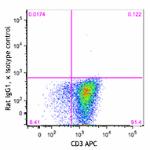
-
PerCP anti-mouse IL-17A
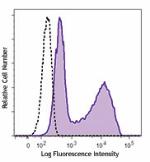
PMA + ionomycin-stimulated in the presence of monensin (6 ho... -
Ultra-LEAF™ Purified anti-mouse IL-17A
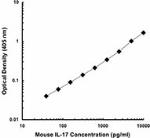
-
FITC anti-mouse IL-17A
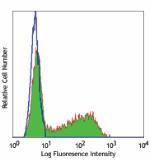
PMA (20 ng/ml) + ionomycin (1 µg/ml) -stimulated (6 ho... -
Alexa Fluor® 488 anti-mouse IL-17A
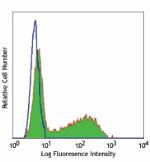
PMA (20 ng/ml) + ionomycin (1 µg/ml) -stimulated (6 ho... -
Alexa Fluor® 647 anti-mouse IL-17A
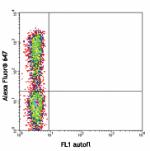
PMA (20 ng/ml) + ionomycin (1 µg/ml) -stimulated (6 ho... 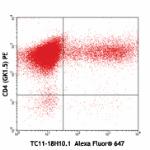
PMA/ionomycin-stimulated (5 hours) Th17 polarized C57BL/6 mo... -
Alexa Fluor® 700 anti-mouse IL-17A
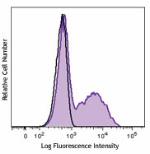
6 hours PMA (20 ng/ml) + ionomycin (1 µg/ml) -stimulat... -
APC anti-mouse IL-17A
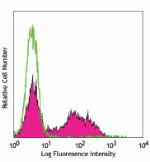
PMA (20 ng/ml) + ionomycin (1 µg/ml) -stimulated (6 ho... -
PerCP/Cyanine5.5 anti-mouse IL-17A
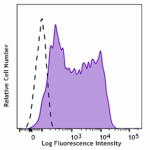
PMA + ionomycin-stimulated (6 hours) mouse lymphoma cell lin... -
Pacific Blue™ anti-mouse IL-17A
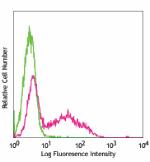
PMA (20 ng/ml) + ionomycin (1 µg/ml) -stimulated (6 ho... -
PE/Cyanine7 anti-mouse IL-17A
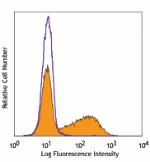
PMA (20 ng/ml) + ionomycin (1 µg/ml) -stimulated (6 ho... -
Brilliant Violet 421™ anti-mouse IL-17A
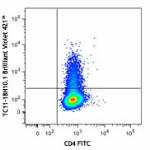
Th17-polarized C57BL/6 mouse CD4+ lymphocytes were stimulate... 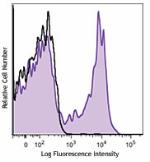
-
Brilliant Violet 605™ anti-mouse IL-17A
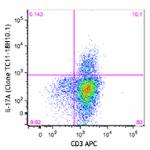
Th17-polarized mouse CD4+ lymphocytes were stimul... 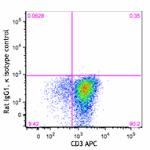
-
Brilliant Violet 650™ anti-mouse IL-17A
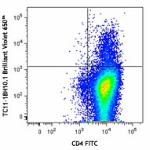
Th17-polarized C57BL/6 mouse CD4+ lymphocytes were stimulate... -
Brilliant Violet 785™ anti-mouse IL-17A
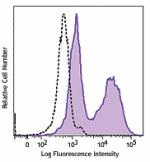
PMA + ionomycin-stimulated (six hours) mouse thymoma cell li... -
Brilliant Violet 510™ anti-mouse IL-17A
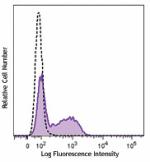
PMA + ionomycin-stimulated (6 hours) mouse thymoma cell lin... -
Purified anti-mouse IL-17A (Maxpar® Ready)
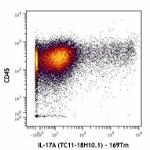
Mouse EL4 T cells were incubated for 5 hours in media alone ... 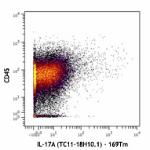
-
PE/Cyanine5 anti-mouse IL-17A
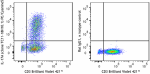
Th17-polarized C57BL/6 mouse CD4+ lymphocytes were stimulate... 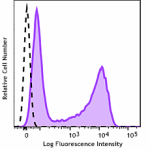
PMA+ ionomycin-stimulated (6 hours) mouse thymoma cell line ... -
TotalSeq™-B1532 anti-mouse IL-17A Antibody
-
TotalSeq™-C1532 anti-mouse IL-17A


Follow Us